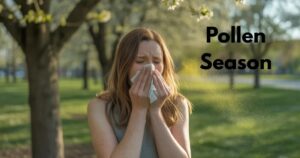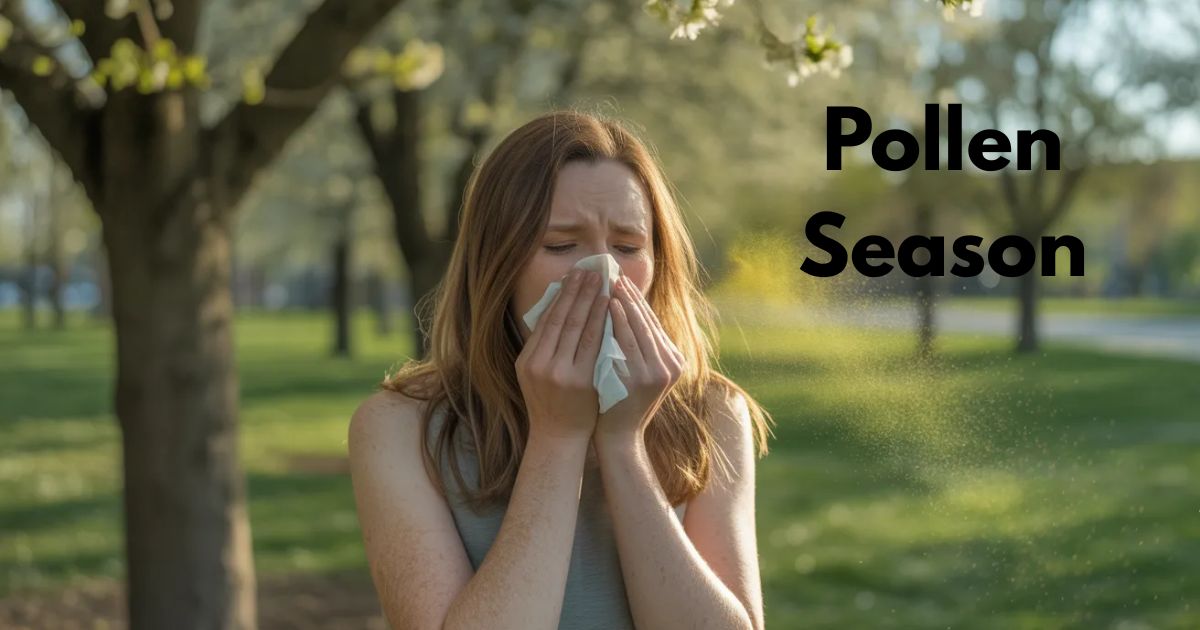
Sniffling through another box of tissues? You’re not alone in this battle. Seasonal allergies affect millions of Americans each year, turning beautiful spring mornings into itchy-eyed nightmares. The burning question on every allergy sufferer’s mind: when will this torture finally end?
Here’s the truth pollen season doesn’t follow one simple calendar. It varies wildly depending on where you live and which plants are making you miserable.
What Is Pollen Season? Understanding the Basics
Pollen season represents the time when plants release tiny grains into the air for reproduction. Your immune system mistakes these harmless particles for dangerous invaders. That’s when the sneezing starts.
Seasonal allergic rhinitis, commonly called hay fever, triggers when you breathe in these microscopic troublemakers. Your body launches a full-scale defensive attack, releasing histamines that cause those dreaded allergy symptoms.
The pollen season timeline stretches across multiple months. Different plants pollinate at different times, creating overlapping waves of allergy triggers throughout the year.
Types of Pollen That Cause Allergies
Three main pollen categories wreak havoc on allergy sufferers:
Tree pollen allergies kick off the season. Oak, maple, birch, cedar, and pine trees release their pollen first. These early spring troublemakers can turn your car yellow overnight.
Grass pollen allergies take over next. Kentucky bluegrass, Bermuda grass, and Timothy grass dominate summer months. They’re particularly brutal in well-manicured suburban areas.
Weed pollen allergies finish the season strong. Ragweed pollen stands as the worst offender here. This late-season villain affects roughly 75% of people with seasonal allergies.
Regional Variations: Pollen Seasons by Region
Geography plays a massive role in your allergy calendar. Climate and pollen levels interact in complex ways across the United States.
The Southern pollen season starts earliest and lasts longest. Warmer temperatures mean trees begin pollinating in late January or early February. Some unfortunate souls in the South deal with pollen nearly year-round.
The Northeast pollen season typically begins in March. Cold winters delay tree pollination until temperatures stabilize. However, when spring arrives, everything blooms simultaneously creating intense pollen exposure.
The Midwest pollen season follows a similar pattern to the Northeast. Harsh winters keep trees dormant until April. Grass pollen then dominates the summer landscape across these flat, agricultural regions.
The West Coast pollen season varies dramatically by location. Coastal areas experience milder, extended seasons. Desert regions have shorter, more intense pollen bursts.
Understanding Regional Differences
Regional allergy differences aren’t just about timing. They’re about which plants dominate your local ecosystem.
Southern states battle oak pollen heavily during spring. The Midwest contends with massive grass pollen counts in agricultural areas. The Northeast sees birch and maple trees as primary culprits.
High pollen regions typically have specific characteristics: diverse plant populations, moderate rainfall, and warm spring temperatures. These conditions create perfect pollination storms.
When Does Pollen Season Start? Timing Based on Different Pollens
Understanding when each pollen type begins helps you prepare your defenses strategically.
Tree Pollen Season
Tree pollen season dates typically run from February through June. However, this varies significantly by region and climate.
In the South, tree pollen can start as early as late January. Early spring pollen from cedar and oak trees catches many people off guard. They haven’t started their allergy medications yet.
The Northeast and Midwest see late spring pollen peaks. March through May represents peak misery for tree pollen allergy sufferers in these regions.
Pine pollen arrives later than other tree varieties. It creates those thick yellow coatings on everything but causes fewer allergic reactions than you’d expect.
Grass Pollen Season
Grass pollen season timing generally spans May through July. This represents the summer pollen season for most Americans.
Peak pollen times for grass occur during warm, dry mornings. Late morning sees the highest pollen counts.
Bermuda grass pollen thrives in Southern and Southwestern states. It prefers hot, dry conditions and can pollinate into early fall.
Timothy grass and Kentucky bluegrass dominate cooler regions. These grasses peak during mid-summer pollen periods in June and July.
Weed Pollen Season
Weed pollen season begins in late summer and extends through fall. This is when fall allergies truly take hold.
Ragweed stands as public enemy number one. Its pollen season start typically occurs in mid-August. A single ragweed plant can produce a billion pollen grains.
Late summer pollen from ragweed can travel hundreds of miles on wind currents. You can’t escape it by moving to ragweed-free areas.
The fall pollen season continues until the first hard frost. This usually happens in late October to early November.
Read More: Good Evening Messages, Wishes & Quotes to Brighten Someone’s Day
When Will Pollen Season End? Understanding the Variables
Here’s what you’ve been waiting for the light at the end of the tunnel.
Typical End of Tree Pollen Season
Tree pollen season ends between late May and early June in most regions. The South sees earlier endings in late April or early May.
However, regional pollen variations mean some areas experience tree pollen into July. Pine trees, in particular, pollinate later than other varieties.
Climate change has extended the tree pollen season in recent years. Warmer springs mean earlier starts and potentially longer durations.
When Grass Pollen Season Ends
Grass pollen season timing typically concludes in late July or August. However, warmer climates see grass pollen extending into September.
Cool-season grasses stop pollinating when summer heat intensifies. Warm-season grasses continue until temperatures drop in fall.
The pollen season end for grass varies by grass type. Bermuda grass can pollinate well into September in Southern states.
End of Weed Pollen Season
Weed pollen finally stops with the first hard frost. This typically occurs between late October and early November.
Ragweed pollen season represents the last major hurdle. Once frost kills ragweed plants, relief arrives for most allergy sufferers.
Some mild winters allow certain weeds to pollinate year-round. This creates challenges for those in consistently warm climates.
| Pollen Type | Season Start | Season End | Peak Months |
|---|---|---|---|
| Tree | February-April | May-June | March-May |
| Grass | May-June | July-August | June-July |
| Weed | August | October-November | September-October |
How to Find Relief During Pollen Season: Practical Tips
You can’t control when pollen season ends. But you can absolutely control your suffering level.
Monitor Pollen Counts
Pollen counts tell you when to expect bad days. The National Allergy Bureau provides daily pollen forecasts for most US regions.
Check the pollen forecast each morning. Plan outdoor activities accordingly. Limit outdoor activities during high-pollen days.
Best times to avoid pollen are late afternoon and after rain. Pollen counts peak in early morning hours.
Download pollen tracking apps for real-time updates. These tools help you avoid unnecessary pollen exposure.
Use Allergy Medications
Allergy medications work best when started before symptoms begin. Don’t wait until you’re miserable.
Antihistamines like Zyrtec, Claritin, and Allegra block histamine reactions. They reduce sneezing, runny nose, and itchy eyes effectively.
Nasal corticosteroids such as Flonase and Nasonex reduce inflammation. They’re incredibly effective for nasal congestion and work better than antihistamines for many people.
Immunotherapy (allergy shots) provides long-term relief. This treatment gradually desensitizes your immune system to specific allergens.
Consider starting medications two weeks before your typical pollen season start. This prevents symptoms rather than just treating them.
Create a Pollen-Free Environment
Your home should be a sanctuary from pollen. Reduce pollen exposure indoors with these strategies:
HEPA filters trap 99.97% of airborne particles. Install them in your HVAC system and use portable units in bedrooms.
Keep windows closed during peak pollen times. Use air conditioning instead. This filters air while keeping pollen outside.
Washing hair after outdoor exposure prevents pollen from transferring to your pillow. Similarly, changing clothes to remove pollen keeps bedroom air cleaner.
Shower before bed to rinse pollen from skin and hair. This simple habit dramatically improves sleep quality during allergy season.
Indoor air quality matters tremendously. Regular vacuuming with HEPA-filtered vacuums removes settled pollen.
Additional relief strategies:
- Wear sunglasses outdoors to protect eyes
- Use saline nasal rinses daily
- Keep pets bathed regularly (they carry pollen indoors)
- Remove shoes at the door
- Dry laundry inside, not on outdoor lines
- Stay hydrated to thin mucus
Take Control of Your Pollen Allergy Today
Allergy season doesn’t have to control your life. Understanding when pollen season ends helps you plan ahead and maintain hope during difficult weeks.
The pollen season timeline follows predictable patterns. Trees dominate spring. Grasses take over summer. Weeds finish in fall. But regional pollen variations mean your specific timeline might differ.
Managing allergy symptoms requires proactive strategies. Monitor daily pollen counts. Start medications early. Create protective environments at home.
Coping with prolonged pollen season challenges those in warmer climates. Year-round vigilance becomes necessary. But relief is possible with proper preventive allergy strategies.
Remember every pollen season eventually ends. Frost will come. Plants will stop pollinating. Until then, armed with knowledge and the right allergy relief tips, you can minimize suffering and reclaim your outdoor life.
Don’t let seasonal allergies steal another beautiful day. Take action now, and you’ll breathe easier tomorrow.